

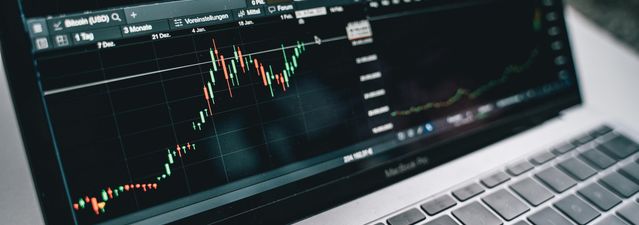
That forward-looking quality is the part people often miss.
The market is not simply reporting on how the economy did last quarter. It is making a constant, collective bet on how the economy will do next, and prices move the instant that bet changes.
This is why good news can sometimes sink a stock and bad news can lift one.
What matters is not the number itself but how it compares to what investors already expected.
Investors track economic signals like employment rates, inflation, and consumer spending because these indicators shape how companies generate revenue and manage costs.
When the signals shift, expectations shift with them, and stock prices adjust in response to both current conditions and future projections. The whole system runs on anticipation as much as on results.
In today's connected environment, financial awareness blends with digital behavior.
People interact with online platforms daily, from investing apps to digital marketplaces.
Within this space, some users also explore payment tools like Vanilla Visa e-gift cards online, reflecting how financial access and digital consumption often intersect.
Economic Growth and Market Confidence
Strong economic growth usually supports rising stock prices because it tends to lift the things investors care about most.
Businesses expand operations, increase hiring, and report higher earnings during these periods.
Rising earnings give investors a concrete reason to pay more for a share, and as demand for those shares grows, prices climb with it.
Confidence is the quieter force underneath all of this, when people believe the economy is on solid ground, they are more willing to commit money for the long term.
They are also less likely to flee at the first sign of trouble. That patience tends to stabilize prices and reduce the panic-selling that drives sudden drops.
The reverse holds when growth slows or the economy contracts. Investors grow cautious, trim their exposure to risk, and shift money toward safer ground.
That pullback can push stock prices lower even before the wider economy clearly weakens. The market often flinches first.
Inflation and Interest Rates
Inflation plays a central role in shaping stock market performance, mostly through its effect on company costs.
Rising prices push up what businesses pay for materials, labor, and everything in between, unless a company can pass those costs to customers, its profit margins shrink.
Thinner margins tend to mean lower earnings, and lower earnings tend to mean softer stock prices.
Central banks usually respond to high inflation by raising interest rates, and this is where the chain of effects gets interesting.
Higher rates increase borrowing costs for businesses and consumers alike, which can slow spending and reduce the investment activity across the economy.
There is also a subtler mechanism at work. Higher rates reduce the present value of a company's future earnings. Investors become willing to pay less today for profits that will arrive years from now.
Lower interest rates tend to work in the opposite direction and often give markets room to rally.
Companies can borrow more cheaply to fund growth, while consumers feel more comfortable spending, and those future earnings regain value in investors' eyes.
These conditions frequently support stock market gains, which is why markets pay such close attention to every central bank decision.
Corporate Performance and Market Signals
Company earnings reports offer the most direct insight into financial health, which is why they move prices so reliably.
Strong results usually boost investor confidence and lift the stock, while disappointing numbers can trigger a wave of selling within minutes of the announcement.
The report becomes a moment of truth against everything the market had assumed.
Market participants dig into revenue trends, profit margins, and forward projections to decide what a company is really worth.
These factors shape how investors value a stock today and what they will bet on its prospects.
The verdict shows up almost immediately in the share price.
It also helps to consider how this same value-focused thinking connects to everyday spending.
Budget gaming is a good example, since it reflects a mindset where players enjoy games without overspending on high-end hardware or full-price releases.
Many gamers chase this value by hunting for discounted titles. A marketplace like Eneba supports the approach with a large catalog of game keys at competitive prices.
Buyers get instant access to digital codes after purchase, with clear platform and region details on each listing. The marketplace runs a controlled system where merchants pass verification and follow sourcing standards.
That instinct to seek out genuine value rather than pay sticker price mirrors exactly how investors hunt for opportunities in the market.
Global Events and Market Reactions
Global events can move stock markets in significant ways, often faster than any earnings report.
Political developments, trade agreements, and supply chain disruptions all feed into investor sentiment, and sentiment can turn on a single headline.
The connections that make the modern economy efficient also make it sensitive.
Unexpected events tend to produce the sharpest movements, because markets dislike surprise more than they dislike bad news.
Investors react based on how a given change might ripple through economic stability or corporate performance, and they often sell first and reassess later.
That reflex explains much of the short-term turbulence that follows major news.
Over longer stretches, markets tend to absorb these shocks and recover, even when the initial reaction looks severe.
Short-term volatility remains a permanent feature of investing, but it rarely tells you much about where prices will sit a few years out.
Consumer Behavior and Spending Trends
Consumer spending drives a large share of economic activity, which gives it real weight in the market.
When people spend freely, businesses bring in more revenue, and that rising revenue tends to support higher stock valuations.
Healthy consumers and healthy markets usually travel together.
Shifts in spending patterns can also serve as early warning signs about the economy's direction.
A pullback in consumer spending may hint at financial pressure building beneath the surface, while a steady rise in consumption often reflects genuine confidence.
Companies watch these trends closely and adjust their strategies to protect revenue and profitability before the pressure shows up in their results.
Conclusion
The stock market reflects economic conditions through a blend of investor sentiment, corporate performance, and global developments, all filtered through expectations about the future.
Economic growth, inflation, and consumer behavior each pull on prices in their own way.
The market weighs them constantly rather than waiting for the official numbers to settle.
Understanding these connections helps explain why prices move the way they do, often before the underlying change is obvious to everyone else.
Financial awareness continues to expand into digital habits, where people manage spending, explore payment tools, and engage with online platforms every day.
Marketplaces like Eneba that offer deals across digital goods reflect how naturally modern financial behavior now links investment thinking with everyday consumption.