How Rarity and Origin Shape Long-Term Value
The source and recorded history of a diamond heavily influence its market worth.
According to De Beers Group, “while diamond prices remain important, transparency around origin and sourcing now plays a defining role in how consumers evaluate diamond cost, confidence and long-term meaning.”
Natural diamonds are uniquely positioned as investments due to their billion-year geological formation, which contrasts sharply with mass-produced lab-grown alternatives.
According to The Diamond Collective, a global not-for-profit organization representing the natural diamond industry, natural diamonds “hold their value over time and are often considered an investment.”
When determining whether a natural diamond is fairly priced, consider its potential as a lasting investment rather than a purely aesthetic purchase.
The Core Drivers of Diamond Valuation
The traditional Four Cs form the baseline of pricing. Carat, cut, clarity and color are the universal standards created by the Gemological Institute of America (GIA) to evaluate diamond quality.
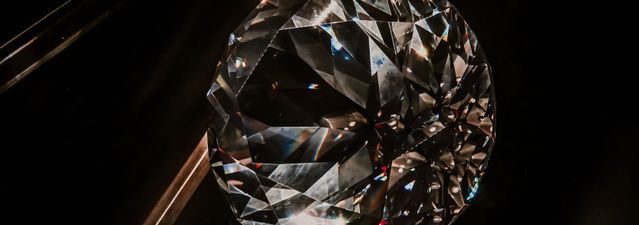
The cut is widely considered the most critical driver of a diamond's brilliance and sparkle.
Carat measures a diamond's total weight, and clarity evaluates the purity of the diamond by assessing internal characteristics called inclusions and external surface flaws called blemishes.
Lastly, the valuation of color is based on the stone’s absence of color.
How Carat Weight Triggers Exponential Price Jumps
Diamond prices do not rise on a smooth curve. They jump sharply at thresholds such as 1.0 or 2.0 carats.
A 0.95-carat diamond might cost significantly less than a 1.0-carat stone with identical cut, color and clarity grades simply because buyers prefer the psychological milestone of a full carat.
Why Cut Quality Defines Visual Value
Prioritizing cut over sheer size is the best way to ensure maximum sparkle and visual appeal within your budget.
Cut refers to how well a diamond's facets interact with light, based on its proportions, symmetry and polish.
The GIA grades cut from Excellent to Poor. Common geometric forms include Round Brilliant, Oval, Princess and Cushion.
Round Brilliant diamonds command the highest price premium due to high rough diamond waste during cutting and maximum light reflection.
Navigating the Color and Clarity Spectrum
You can find the sweet spot between price and quality on diamonds where subtle color hints or inclusions are completely invisible to the naked eye.
This characteristic saves you from overpaying for microscopic perfection. For white or colorless diamonds, valuation is based on the absence of color.
The GIA scale runs alphabetically from D, which is completely colorless and most expensive, to Z, which shows a light yellow or brown tint.
D-grade diamonds are icy white and show no color, even under magnification.
On the other hand, the clarity scale ranges from Flawless (FL), with no flaws visible under magnification, to Included (I3), with visible flaws that affect brilliance and durability.
The most important rule is to look for eye-clean diamonds that look perfect to the naked eye, even if they have microscopic imperfections.
Understanding whether a natural diamond is fairly priced often comes down to finding these optimal grade combinations.
The Hidden Factors Beyond the Four Cs
Two stones with identical baseline grades can still vary wildly in price based on subtle physical characteristics.
Understanding these additional diamond price factors gives you a complete picture of valuation.
How Shape Affects Raw Material Cost
Common diamond shapes include Round, Princess, Emerald, Oval, Cushion, Pear and Asscher.
Round diamonds cost significantly more because a larger portion of the raw diamond is lost during the cutting process compared to fancy shapes like ovals or pears.
This explains why some diamonds sell for much more based purely on their shape, even when other quality grades are identical.
The Truth About Diamond Fluorescence
A blue glow under UV light impacts value.
Fluorescence often triggers a market discount for colorless stones while actively enhancing the look of lower-color diamonds.
According to Teach Jewelry, “fluorescence doesn't affect durability,” busting the common myth that it's a structural problem.
Market Mechanics and Retail Reality
External supply chain realities ultimately dictate the final sticker price you see in the store.
Why Certification Matters for Your Investment
Always look for strict, independent laboratory certifications, such as GIA, to verify the diamond's true characteristics and justify its price.
The organization is widely considered the gold standard for strict, unbiased natural diamond grading.
A GIA certificate provides an assessment of diamond quality characteristics that determine why certain diamonds sell for much more than others, giving you confidence that you're paying for what you're actually getting.
Understanding the Impact of Retail Markup
Where you buy drastically changes the price, so make sure to compare the overhead costs of online vendors versus traditional brick-and-mortar jewelers.
Shopping With Confidence and Setting Your Budget
Balance the Four Cs so you can confidently set a budget without fearing you're overpaying.
Understanding these pricing factors helps you know if a diamond is fairly priced.
Prioritize an Excellent or Very Good cut as your foundation, then slightly drop the color and clarity grades to maximize size and value within your budget.
Never compromise on the cut, because it controls how light bounces off the stone.
A top-tier cut makes a lower-color or smaller diamond look remarkably brilliant and fiery, whereas a poor cut makes an expensive stone look dull.
Once you've secured an excellent cut, choose a slightly lower color grade like G or H and a clarity grade like VS2 or SI1 to maximize value.
Frequently Asked Questions
Here are the most commonly asked questions about buying diamonds:
What are the core factors that drive the price of a diamond?
What certifications should you look for when shopping for a diamond?
How can you make sure you get the most out of my diamond purchase?
Final Thoughts on Diamond Valuation
Do your own research on local shops and prioritize the factors that matter most to you.
Whether you value size, sparkle, ethical sourcing or long-term investment potential, understanding the specific characteristics that drive pricing empowers you to make an informed decision.
Armed with knowledge about cut quality, certification standards and market realities, you can shop with total confidence and find a diamond that offers genuine value.